


A Prayer for Us All

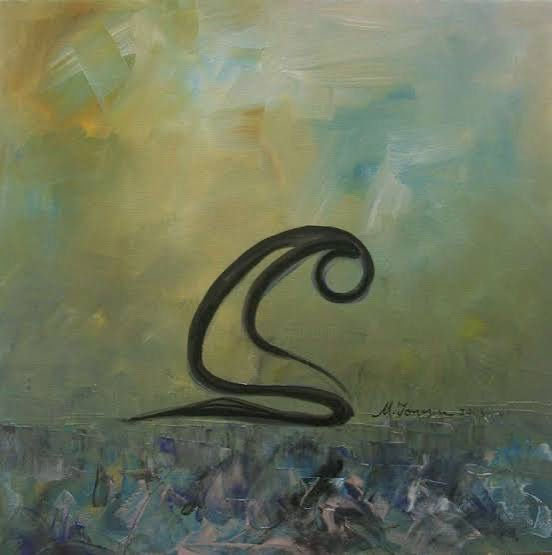
There are prayers we say because we have memorized them, and there are prayers that somehow memorize us. The Serenity Prayer has always felt that way to me.
I return to it often in meditation, not because my life is in some extraordinary state of crisis, but because life itself seems to provide quite enough material for surrender.
We spend an astonishing amount of our energy trying to rearrange things that have already happened.
A conversation.
A diagnosis.
A disappointment.
Someone’s opinion of us.
A child’s decision.
A relationship that did not become what we hoped it would become.
A door that closed even though we stood there pushing against it with both hands.
We replay these things as though the past might eventually grow tired of our persistence and agree to change.
It never does.
And this, I think, is why the Serenity Prayer belongs to all of us.
It has long been associated with people recovering from addiction, and beautifully so. There is tremendous wisdom in recognizing that there are forces in our lives we cannot overcome through sheer willpower.
But addiction is not the only thing that holds human beings captive.
We can become addicted to being right.
To being needed.
To another person’s approval.
To worrying about our children.
To imagining the future.
To resentment.
To regret.
To the idea that life was supposed to turn out differently.
Most of us are carrying something we cannot quite put down.
And suffering often begins not with the thing itself, but with our insistence that the thing should not be what it is.
There is an ancient wisdom that says life is always moving. Everything appears, changes, and eventually passes away. We suffer when we grab hold of one small piece of that great moving river and demand that it stay still.
Stay young.
Stay healthy.
Stay here.
Love me.
Understand me.
Choose me.
Don’t change.
But the river keeps moving.
Perhaps serenity begins when we stop trying to command the river and learn instead how to stand within it.
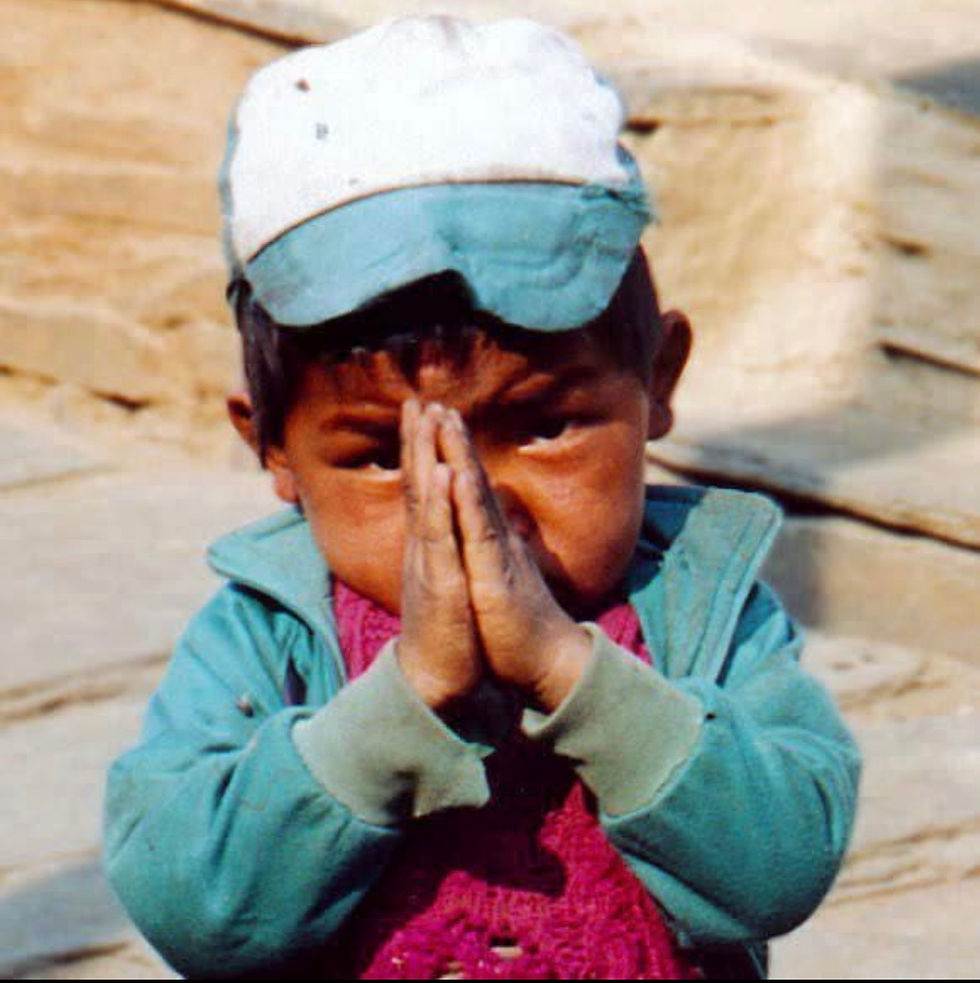
The familiar prayer begins:
“God, grant me the serenity to accept the things I cannot change…”
There is so much contained in that one request.
Acceptance is often misunderstood as weakness. We think accepting something means approving of it, surrendering our dignity, or giving up.
It does not.
Acceptance simply means seeing clearly.
This is what is here.
This is what has happened.
This is what I have been given today.
Only when we stop arguing with reality can we finally decide what to do with it.
And then comes courage.
Because there are things we can change.
Sometimes the most spiritual thing we can do is not surrender but act.
Make the phone call.
Leave the situation.
Apologize.
Begin again.
Ask for help.
Tell the truth.
Set the boundary.
Forgive.
Get up tomorrow morning and try one more time.
Wisdom is knowing which moment asks us to release and which moment asks us to rise.
That may be one of the hardest lessons of being human.
We want God to give us the whole map.
Instead, we are usually given enough light for one step.
That can feel terribly insufficient when we are afraid.
We want guarantees.
We want to know where the road ends before we agree to walk it.
But faith has never really worked that way.
Faith says: Take the step you can see.
Then another will appear.
I have come to believe that when we take one honest step toward God, toward love, toward truth, toward peace, something meets us there.
Maybe not with the answer we expected.
Maybe not with the solution we demanded.
But with enough.
Enough strength for tomorrow.
Enough courage for the conversation.
Enough grace to forgive.
Enough quiet inside ourselves to realize that we were never walking alone.
Sometimes we take one step in faith and God provides ten more in peace.
Not because every problem disappears, but because suddenly we are no longer carrying the entire universe on our shoulders.
We remember that it was never ours to carry.
There is something profoundly peaceful about saying:
I will do what is mine to do.
And I will release what is not.
Imagine beginning each morning that way.
What can I change today?
What must I accept?
And please, God, help me know the difference.
Perhaps that is enough of a spiritual practice for an entire lifetime.
Because serenity does not mean that nothing difficult will happen.
It means difficulty no longer gets to own the whole house.
There can be grief in one room and gratitude in another.
Fear can sit beside faith.
Uncertainty can exist beside trust.
We can have unanswered questions and still make breakfast.
We can mourn what was lost and still notice the sunlight falling across the kitchen floor.
We can be frightened and still take the next step.
Life does not have to be perfect before it becomes sacred.
Maybe this is what the prayer is really asking us to remember.
There are things we must change.
There are things we must release.
And somewhere between the two is a quiet place where God waits for us.
Not at the end of the journey.
Not after we finally get everything right.
Here.
Now.
In this breath.
In this moment.
In the simple willingness to say:
I cannot see the whole road.
But I will take the next step.
And I will trust that I am not taking it alone.

The Serenity Prayer
God grant me the serenity to accept the things I cannot change; courage to change the things I can;
and wisdom to know the difference.
Living one day at a time;
Enjoying one moment at a time;
Accepting hardships as the pathway to peace; Taking, as He did, this sinful world
as it is, not as I would have it; Trusting that He will make all things right
if I surrender to His Will; That I may be reasonably happy in this life and supremely happy with Him
Forever in the next.
Hari Om Tat Sat


Comments